
A garage door moves thousands of times a year. Quietly. Reliably. Until one cold morning it jams halfway down. Or after a week of rain, it groans like it’s aged ten years overnight.
Nearly 30% of garage door repairs in Australia are directly linked to weather-related wear and tear, according to service data aggregated from metropolitan installers. Not accidents. Not misuse. Weather.
In Melbourne, where a single week can deliver scorching heat, heavy rain, gusty winds and bone-chilling mornings, your garage door absorbs it all. Heat causes expansion. Cold tightens metal components. Moisture creeps into rollers and springs. UV exposure slowly weakens finishes. Over time, these forces quietly shorten your garage door’s lifespan.
I’ve seen it countless times. Doors that look fine from the street but struggle internally because the weather has been doing its work.
So let’s break this down properly.
Why weather affects garage doors. What specific problems does it cause? And how you can protect your garage door, before small issues turn into expensive repairs.
Why Weather Affects Garage Doors More Than You Think
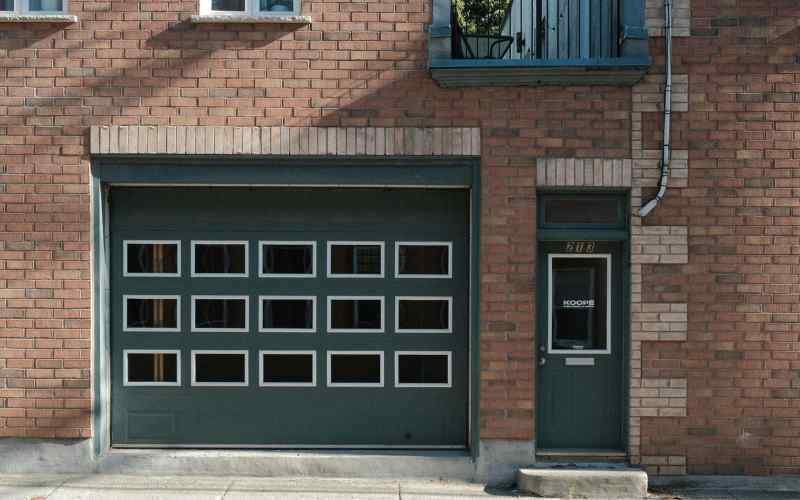
One of the biggest moving parts in your house is your garage door. It’s also one of the most exposed. Unlike internal doors, it faces:
- Daily temperature fluctuations
- Direct rain and wind
- High humidity
- Constant UV radiation
- Seasonal changes that stress materials differently
Understanding the weather effects on garage doors starts with understanding materials. Steel, aluminium, timber and composite doors all respond differently to temperature and moisture. When the weather changes, especially quickly, those materials expand and contract at different rates. That’s where things start to go wrong.
Garage Door Temperature Effects: Expansion and Contraction
Metal garage doors expand in heat and contract in cold. It sounds minor, but over time this repeated movement can cause:
- Track misalignment
- Garage door expansion and contraction issues
- Increased friction on rollers
- Extra strain on garage door springs
This is why many homeowners ask, “Why does my garage door stick in cold weather?” Cold temperatures tighten metal tolerances. Lubricants get thicker. Springs become less flexible. All of a sudden, your door doesn’t open easily; it fights back.
Related: Garage Door Safety
Melbourne’s Climate and Garage Door Performance
When we talk about Melbourne weather and garage door problems, we’re talking about variability. Melbourne gets more than 100 days of rain a year, and the temperatures can change a lot from season to season and even during the same day.
This creates a unique challenge for garage door care tips for Melbourne climate conditions.
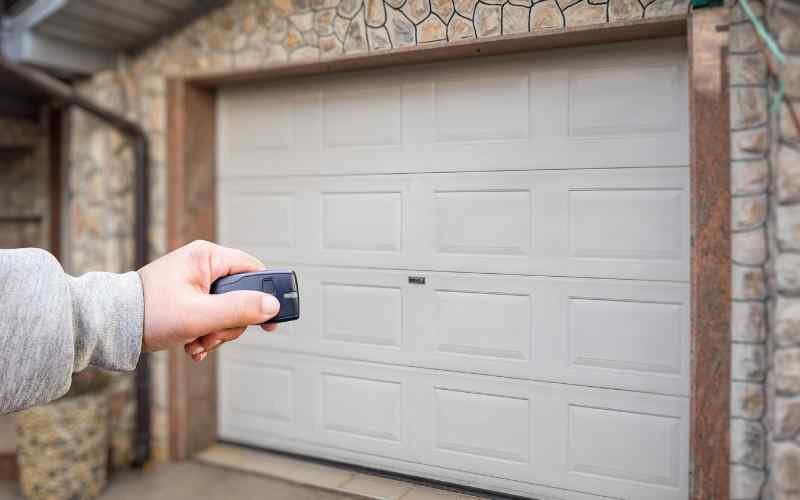
Rain, Moisture and Humidity Damage Garage Doors
Rain doesn’t just hit the surface. Moisture seeps into joints, hinges, rollers and internal mechanisms. Over time, this leads to:
- Garage door corrosion from rain
- Rust and corrosion garage door parts
- Increased garage door rust prevention needs
- Premature failure of springs and cables
Humidity damages garage doors particularly hard when ventilation is poor. Moisture lingers. Metal oxidises. Timber absorbs water and swells.
One of the most common service calls we see is, “How to stop garage door rust after rain?” The answer is usually a mix of protective coatings, lubrication, and proper drainage.
How Heat and UV Exposure Damage Garage Doors
Not only is heat uncomfortable, it’s also bad for you.
UV Damage to Garage Doors
Prolonged sun exposure causes paint to fade and protective finishes to break down. Over time, this exposes the underlying material to moisture and corrosion. UV damage to garage doors is especially common on north-facing homes.
Heat also affects structural integrity. Timber doors may warp. Steel doors can bow slightly, enough to interfere with smooth operation.
This is why homeowners often ask, “How to prevent garage doors from warping in heat?” The answer lies in material choice, protective coatings, and consistent seasonal garage door care.
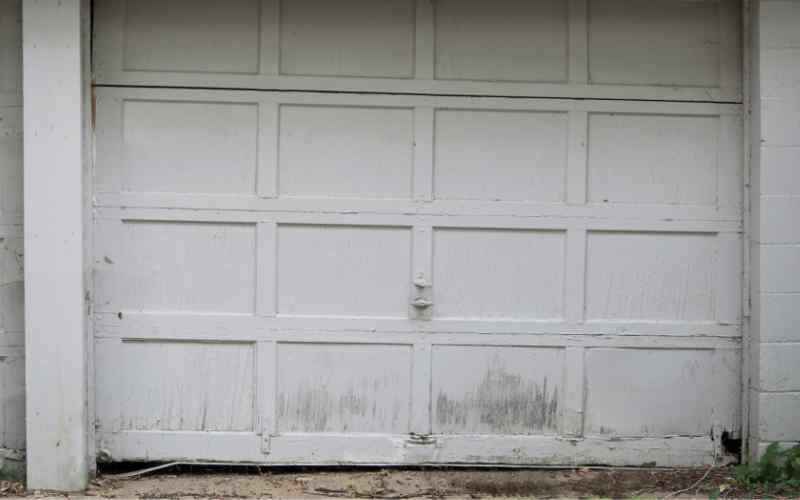
Wind and Storm Impact: The Hidden Stressor
Strong winds apply uneven pressure across large garage door panels. Over time, this can cause:
- Track loosening
- Roller wear
- Panel flexing
- Alignment issues
Understanding how wind affects garage door alignment is critical, especially in exposed suburbs or during storm seasons. Repeated stress weakens fasteners and moves tracks a little bit at a time until the door no longer fits squarely.
Winter Garage Door Problems vs Summer Garage Door Maintenance
Winter Garage Door Problems
Cold weather brings:
- Slower motors
- Brittle lubricants
- Increased friction
- Higher garage door spring stress from temperature
This is when doors become noisy, sluggish, or refuse to close properly.
Summer Garage Door Maintenance Needs
Heat requires a different focus:
- Checking for panel warping
- Inspecting weather seals
- Monitoring garage door opener weather impacts
- Ensuring ventilation reduces moisture buildup
Balancing winter garage door problems with proactive summer garage door maintenance is key to longevity.
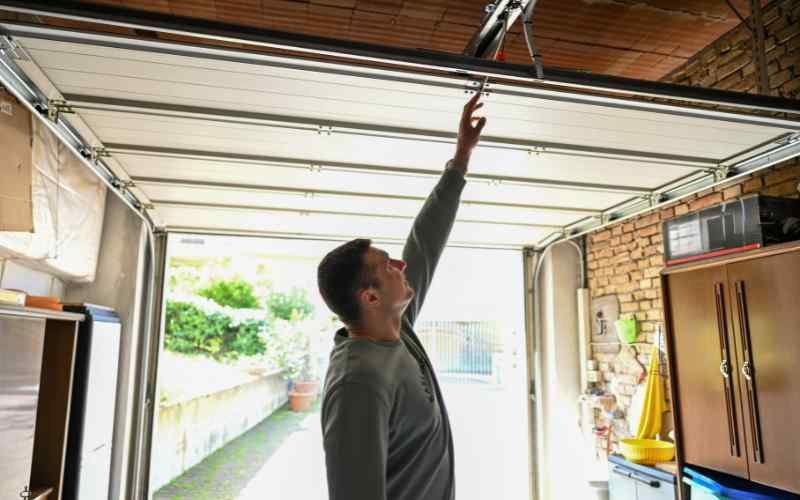
What Weatherproofing Options Protect Garage Doors?
Weatherproofing isn’t a single solution. It’s a system.
Garage Door Weather Seals and Weather Stripping Benefits
Installing high-quality seals helps block:
- Moisture intrusion
- Dust and debris
- Temperature extremes
Homeowners often ask about the best weather seals for garage doors for Melbourne homes can rely on. Look for UV-resistant rubber or vinyl seals designed for variable climates.
Garage Door Insulation Benefits
Insulation isn’t just about comfort. It stabilises internal temperatures, reduces condensation, and protects internal components. The benefits of garage door insulation include:
- Less expansion and contraction
- Improved energy efficiency
- Reduced noise
- Longer component life
Seasonal Garage Door Checklist: What You Should Be Doing
A seasonal garage door checklist keeps small issues from snowballing.
Autumn & Winter
- Lubricate rollers, hinges and springs (garage door lubrication schedule matters)
- Inspect weather seals
- Test opener force settings
Spring & Summer
- Clean tracks and panels
- Check for rust spots and corrosion
- Inspect UV-exposed surfaces
- Review moisture control for garage doors
This proactive approach significantly reduces garage door repairs due to weather.
Garage Door Maintenance Melbourne Homeowners Often Overlook
Many people assume garage doors are “set and forget.” They’re not.
Regular garage door maintenance Melbourne homes require includes:
- Tightening hardware affected by vibration
- Addressing minor rust early
- Checking alignment before it worsens
- Servicing rollers and cables
Skipping maintenance is one of the biggest contributors to premature failure.
Signs Your Garage Door Needs Attention After Weather Events
Ask yourself:
- Does the door sound louder than usual?
- Does it hesitate or jerk during movement?
- Are there visible rust spots or warped panels?
- Does it struggle more after rain or cold nights?
These are classic indicators of garage door weather damage.
If you don’t take care of small problems, they can turn into big ones that garage door service that Melbourne technicians have to deal with right away, which usually costs more.
Cost Considerations: Weather Damage vs Preventative Care
Homeowners frequently ask about seasonal garage door maintenance costs Melbourne-wide. Preventative servicing typically costs a fraction of emergency repairs.
Industry averages suggest that preventative maintenance can reduce repair costs by up to 40% over a five-year period, particularly in climates like Melbourne’s.
Choosing the Best Garage Door Materials for Australian Climate
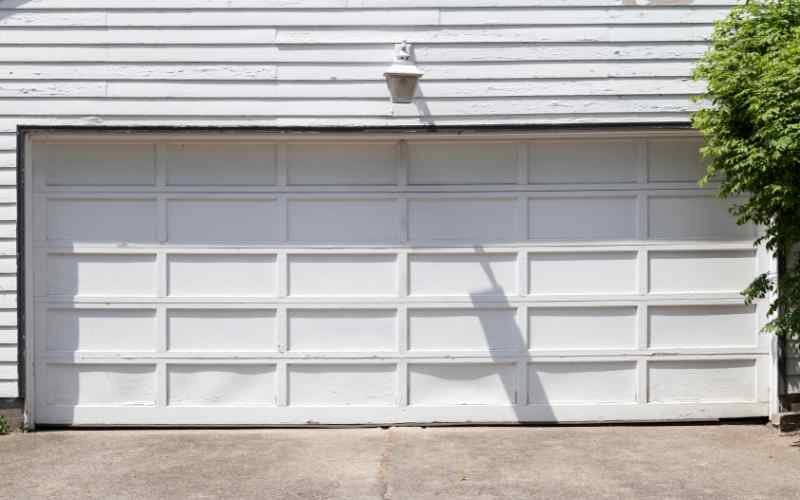
Material choice matters more than aesthetics.
- Steel doors need corrosion protection
- Timber doors require sealing and maintenance
- Aluminium resists rust but expands more in heat
- Composite doors balance durability and insulation
Selecting the best garage door materials for Australian climate conditions dramatically reduces long-term issues.
When Professional Help Makes Sense
Some maintenance is DIY-friendly. Some isn’t.
If your door keeps having problems, making strange noises, or showing signs of damage, the best thing to do is have a professional look at it. Problems caused by the weather often build up quietly until they suddenly fail.
People in the south-east often need help fixing their garage doors in Dandenong, and people in the bayside area often need help fixing their garage doors in Frankston. Both areas are exposed to strong coastal moisture and wind.
Final Thoughts: Protecting Your Garage Door Year-Round
Weather isn’t the enemy. Neglect is.
You can greatly increase the life of your garage door, cut down on unexpected breakdowns, and keep it running smoothly and safely once you know how the weather affects it and take steps to protect it.
The key is consistency. Seasonal checks. Smart weatherproofing. And knowing when to bring in experts.
Your garage door works hard every day. Not only is it smart to protect it from Melbourne’s unpredictable weather, it’s also necessary.